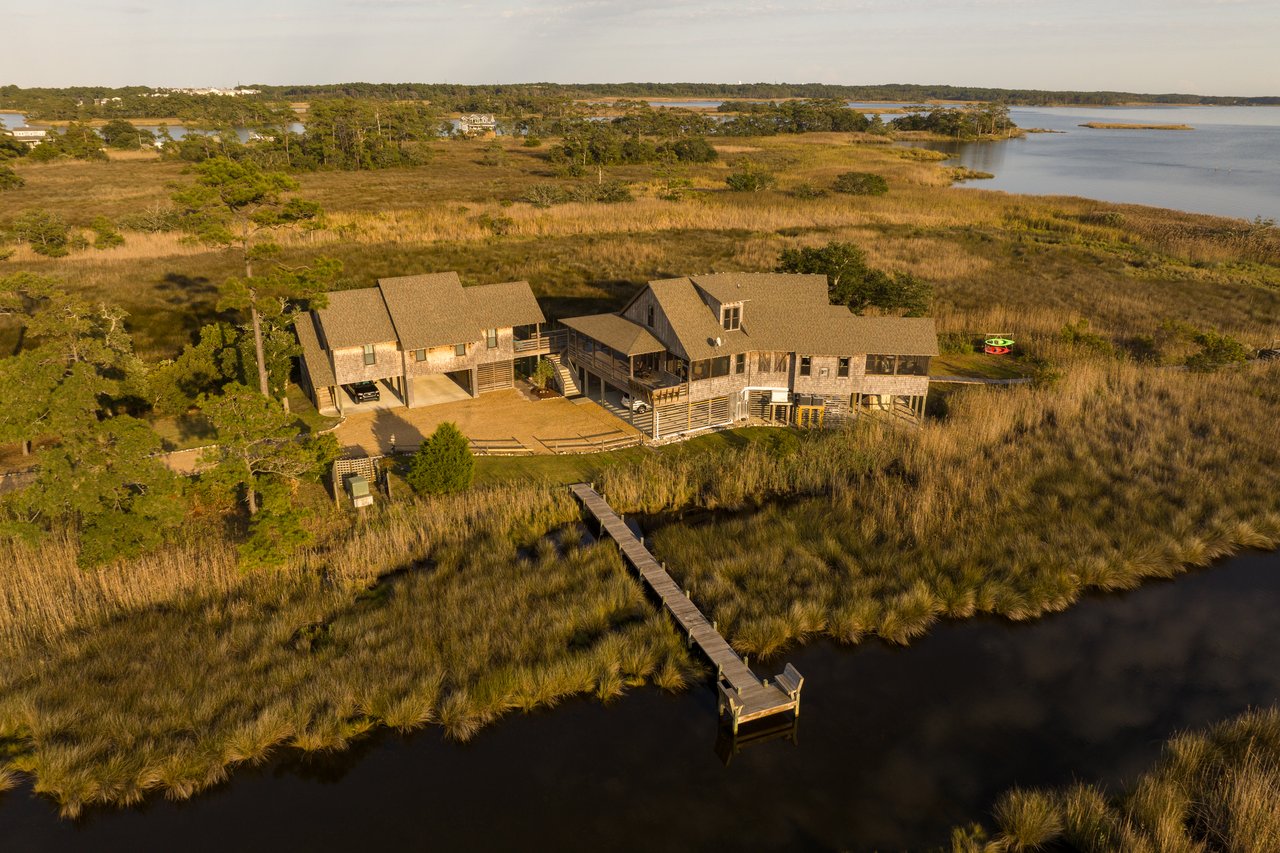
On Nov. 5, the N.C. Board of Transportation set a toll of $7 each way for a single car on the Currituck–Knotts Island ferry. Starting Jan. 1, 2027, that ends free vehicle crossings on the five-mile run across Currituck Sound. On the 2026 schedule, five boats a day leave Currituck at 6:30 a.m., 9:30, 11:30, 1:30 p.m. and 4:00, and the return trips leave Knotts Island at 7:20 a.m., 10:30, 12:30 p.m., 2:30 and 5:00. What changes is the price of the boat compared with the other way home.
Knotts Island is the only part of Currituck County that drivers can reach without the ferry by going through Virginia. The county's own budget says so: the island is connected to Virginia and can be reached from the mainland by ferry or by driving through Virginia. Every other route in the state system is also set to charge tolls on Jan. 1. On this one, a rider who decides the fare isn't worth it has somewhere else to go, and the state's own ridership numbers show more riders were already doing that before any fare was set.
What a Crossing Costs After Jan. 1
The rates the Board approved came from the Ferry Division's October recommendation. For the Currituck–Knotts Island route, the fare table in the Division's Oct. 8 presentation to the Board sets these one-way prices:
| Vehicle or rider | One-way toll |
|---|---|
| Single-space vehicle, a standard car or pickup | $7 |
| Double vehicle, 20 to 40 feet | $14 |
| Triple vehicle, 40 to 65 feet | $28 |
| Motorcycle or scooter | $3 |
| Golf cart or ATV | $3 |
| Motorcycle with trailer or sidecar | $7 |
| Bicycle rider | $2 |
| Pedestrian | $1 |
Starting Jan. 1, NCDOT plans to sell single tickets for the newly tolled routes in person at the terminal where you board. The 2026 schedule lists year-round service, and the crossing takes about 30 minutes.
The $150 Pass Changes the Math for Some Households
The state's answer to the regular rider is the commuter pass. Session Law 2026-41, the budget bill that requires tolls on every ferry route, has the Board set an annual pass at $150 for people who permanently live in a coastal area under G.S. 113A-103 and for active-duty military. Currituck is one of the 20 eligible counties. NCDOT asks for a valid driver's license and a vehicle registration showing the same address in an eligible county.
The pass pays for itself on the 22nd one-way trip in a single car, or about 11 round trips a year. A rider who crosses once a week passes that point by spring. The fine print matters as much as the price:
- One pass, one vehicle. The sticker is tied to that vehicle's plate and doesn't move to another car. A household that sends two cars across the sound needs two passes.
- Trailers cost extra. The pass covers the vehicle only. A boat or trailer behind it needs its own single-trip ticket.
- It works on every route. The pass gives unlimited trips on any N.C. vehicle ferry, including Hatteras–Ocracoke.
- The start date depends on when you buy. A pass bought before Jan. 1, 2027 and not used before then is good through Dec. 31, 2027. A pass bought on or after Jan. 1 is good for one year from the purchase date.
- Where to buy it. Right now the pass is sold online through the N.C. Ferry website and in person at the Cedar Island, Hatteras, Ocracoke, Southport and Swan Quarter terminals. The Currituck terminal is listed as a pickup point for passes bought online, and in-person sales there are scheduled to start Jan. 1, 2027.
The law also exempts school buses and other vehicles that a school runs, or contracts for, to carry students. It lets the Secretary of Transportation suspend tolls on a route that serves a declared emergency area for as long as the state of emergency lasts. Eligibility and documentation rules are NCDOT's to apply. This is general information, not legal or financial advice, so confirm your own situation on the NCDOT ferry tolling page before you buy.
A Route That Was Already Losing Riders
By law, the toll money goes to replacing boats. Ferry Division Director Jed Dixon told the Board in October that one replacement vessel costs about $28.7 million in today's dollars. He said the system needs $7 million to $19 million a year, depending on the replacement schedule, while the four routes that already charged tolls bring in about $2.5 million a year, according to the Outer Banks Voice.
The Knotts Island route brings a falling trend into that plan. NCDOT's presentation to the Board counts vehicle trips by fiscal year:
- FY 2013: 21,804 vehicles
- FY 2023: 15,963 vehicles
- FY 2026: 12,716 vehicles
Vehicle traffic fell about 42 percent over those 13 years, and about 20 percent in the last three alone, while crossings were still free. Systemwide, Dixon said ridership is down 22 percent from 2012. He described "diversion," the share of riders who stop using a ferry when a toll is added or raised. When the Southport–Fort Fisher toll went from $5 to $7 in 2018, he put diversion at about 4.7 percent.
The route still serves a lot of people. WAVY reported NCDOT figures showing more than 14,000 vehicles and close to 45,000 passengers in calendar year 2025. The Daily Advance reported NCDOT's estimate that 62 percent of riders on the Knotts Island route are year-round residents. Most of the people this toll reaches are local, regular riders, so the pass decision and the drive-around decision will come up most often on this route.
The Drive Through Virginia Sets the Real Price
On Ocracoke, the ferry has no road alternative. On Knotts Island it does, and local officials kept coming back to it. Knotts Island commissioner Tony Angell called the ferry "our highway" in an interview with WTKR. He also raised concerns about students driving narrow roads without shoulders if they go around instead.
"I think most of the locals are just going to take the longer route."
That was Michael Bora, who lives near the ferry, speaking to WAVY. He added that he doesn't expect the toll to slow summer tourist traffic. Board of Commissioners Chair Paul O'Neal made a similar point in WAVY's coverage of the county's response, saying a $14 round trip could lead some riders to drive around. Commissioner Janet Rose said the tolls would be a hardship for Knotts Island residents and students.
The Currituck County Board of Commissioners formally opposed the tolls in late October. It cited student access, possible loss of riders and the route's long-term future. It asked for a delay pending a state audit and listed specific protections: exemptions for student drivers, income-based exemptions, free walk-on travel, more flexible passes, and exemptions for government and emergency vehicles. Several of those requests go after the pass's narrowest rules, such as one vehicle per pass and walk-ons paying $1.
The Jan. 1 Date and the April 1 Request
Jan. 1, 2027 is set in law. Section 43.15 of Session Law 2026-41 rewrote G.S. 136-82 to require tolls on all ferry routes, priced to fund vessel replacement on a schedule the Ferry Division develops. At the same October meeting where it heard the proposed rates, the Board of Transportation voted unanimously to ask the legislature to push tolling back to at least April 1. Board member Mike Fox said the timeline left too little time "to really do this right and do it thoroughly," the Outer Banks Voice reported.
Only the General Assembly can change the date. Island Free Press reported that NCDOT Secretary Daniel Johnson agreed to forward the Board's request to lawmakers. The area's legislators split on the budget that created the tolls. WAVY reported that Sen. Bobby Hanig said he would not vote for a ferry tax and voted against the budget on July 1. Rep. Ed Goodwin voted for the budget and later publicly opposed adding a cost for Knotts Island residents. As of this week, NCDOT's published rates take effect Jan. 1, and the ferry tolling page is where any change will show up first.
Transportation costs like this one end up in how buyers and owners judge property in Currituck County, and Knotts Island now has a line item the rest of the county doesn't. If you're weighing a home on the island or on the mainland side of the sound, Shane Collins The Obx Island Guys Team can walk you through how the ferry and the drive through Virginia fit your plans. Work With Us.